 PrepThrifty
 How to Start Meal Prepping: 5 Simple Beginner Steps
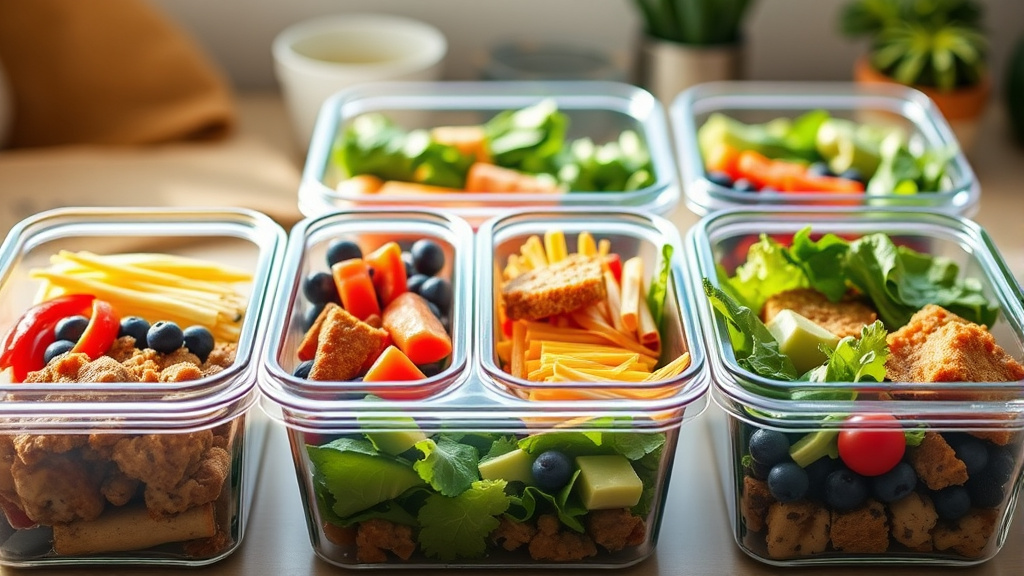
Why Meal Prepping Feels Harder Than It Actually Is
Meal prep sounds intimidating. You picture someone spending 4 hours on Sunday cooking 30 containers of chicken and rice, or someone with a commercial kitchen and a degree in nutrition. The truth: you don’t need any of that. Meal prepping is just cooking food ahead of time so you eat better and spend less. That’s it. Most beginners fail because they aim too high—trying to prep 10 meals in one session when they’ve never prepped before. This guide strips it down to what actually works: start with 2–3 meals, use equipment you probably own, and pick recipes so simple they’re almost impossible to mess up.
Step 1: Choose Your Prep Day and Time Block (Just 2 Hours)
Pick one day each week when you have a calm 2-hour window. Sunday afternoon works for most people, but Wednesday evening or Saturday morning are equally valid. The day doesn’t matter; consistency does.
Block off the time on your calendar like it’s a meeting. You’re not committing to 4 hours; you’re committing to 2. This matters psychologically. Two hours feels manageable. Four hours feels like you’re giving up your entire day.
Before that day arrives, do one small thing: check your fridge. You don’t need to buy anything yet, just see what you have. Do you have containers? A cutting board? A large pot? Most people already own 70% of what they need.
The 2-hour window breaks down like this:
- 5 minutes: Unpack groceries, set up your workspace
- 50 minutes: Prep (wash, chop, measure)
- 60 minutes: Cook (while you’re doing this, you can clean as you go)
- 5 minutes: Cool, portion, store
You’re not rushing. You’re just focused.
Step 2: Pick Two Simple Meals (Not Ten)
This is where most guides go wrong. They tell you to meal prep 5 breakfasts, 5 lunches, and 5 dinners. Don’t do that. Pick two meals. One lunch and one dinner, or two lunches. That’s it.
Here’s why: two meals means you’re cooking two recipes, not ten. You’re buying fewer ingredients. You’re learning the process without decision fatigue. And you’re way more likely to actually eat them because they’re not boring by day 5.
What Makes a Beginner-Friendly Meal?
Look for recipes with these traits:
- One-pot or one-pan cooking (fewer dishes, less cleanup)
- 5 ingredients or fewer (less to buy, less to mess up)
- No special techniques (no julienning, no tempering, no emulsifying)
- Reheats well (tastes good on day 1 and day 4)
- Costs under $2 per serving (or you’ll abandon it)
Two Concrete Examples
Meal 1: Baked Chicken Thighs with Roasted Vegetables
- 2 lbs boneless, skinless chicken thighs (~$6)
- 2 lbs mixed vegetables (broccoli, carrots, bell peppers) (~$4)
- Olive oil, salt, pepper, garlic powder
- Bake at 425°F for 25 minutes
- Yields 5 servings at ~$2 per serving
- Reheats perfectly; tastes the same on day 4
Meal 2: Lentil and Vegetable Soup
- 2 cups dried lentils (~$2)
- 1 large onion, 3 carrots, 3 celery stalks (~$3)
- 8 cups vegetable broth (~$2)
- Canned diced tomatoes, salt, pepper
- Simmer 30 minutes
- Yields 8 servings at ~$1 per serving
- Freezes beautifully; actually tastes better the next day
These aren’t fancy. They’re not Instagram-worthy. They’re reliable, cheap, and they work. You can eat one for lunch and one for dinner, or alternate days. By week 2, you’ll feel confident enough to add a third meal.
Step 3: Buy Only What You Need (Make a Specific List)
Don’t go to the grocery store without a list. Don’t “see what looks good.” Write down exactly what you need for your two meals, and buy only that.
Here’s a sample shopping list for the two meals above:
| Item | Quantity | Est. Cost |
|---|---|---|
| Boneless, skinless chicken thighs | 2 lbs | $6 |
| Broccoli | 1 head | $2 |
| Carrots | 2 lbs | $1.50 |
| Bell peppers | 2 | $2 |
| Dried lentils | 2 cups | $2 |
| Onion | 1 large | $0.50 |
| Celery | 1 bunch | $1 |
| Vegetable broth | 2 cartons (32 oz each) | $2 |
| Canned diced tomatoes | 1 can (28 oz) | $1 |
| Olive oil (if needed) | — | $0–6 |
| Salt, pepper, garlic powder (if needed) | — | $0–3 |
| Total | — | ~$19–26 |
That feeds you for a week (10–14 meals depending on portion size) at roughly $1.50–$2.50 per meal. Compare that to a $12 lunch from a restaurant. You’re saving $50–$70 a week.
One tip: buy store-brand everything. There’s no meaningful difference between store-brand lentils and name-brand lentils. You’ll save 30–40% on most items.
Step 4: Use Equipment You Likely Already Own
You don’t need a fancy meal prep setup. You need:
- One large baking sheet (for roasting vegetables and chicken)
- One large pot (for soup, rice, pasta, anything boiled)
- One cutting board and one knife (any knife that cuts cleanly works)
- Storage containers (Tupperware, mason jars, or even takeout containers you’ve saved)
- Measuring cups and spoons (not optional; guessing leads to mistakes)
That’s genuinely it. If you’re missing any of these, buy the cheapest version. A $3 cutting board works fine. A $5 set of measuring spoons works fine.
One thing worth buying if you don’t have it: a large microwave-safe container (like a 3-quart glass dish). It holds a full batch of soup or rice and makes reheating easy. Expect to spend $8–$15.
Do NOT buy:
- A meal prep delivery service (you’re learning to cook)
- Fancy glass containers with compartments (overkill for beginners)
- A food processor (a knife works fine)
- Special “meal prep” utensils (regular utensils work)
Step 5: Cook, Cool, and Store (The Actual Process)
Here’s the step-by-step for your first prep day. Let’s say you’re making the chicken and lentil soup.
Prep Phase (First 50 Minutes)
- Wash everything. Vegetables, your hands, your cutting board. Takes 5 minutes.
- Chop vegetables. For the chicken meal: chop broccoli into florets, cut carrots into 1-inch chunks, cut peppers into quarters. For the soup: dice the onion, chop carrots into half-inch rounds, chop celery into half-inch pieces. Don’t worry about perfect cuts; they just need to be roughly the same size so they cook evenly. Takes 20 minutes your first time; 10 minutes after you’ve done it twice.
- Measure lentils and broth. Pour 2 cups of lentils into a strainer and rinse under cold water for 30 seconds. Pour 8 cups of broth into your pot. Takes 3 minutes.
- Arrange chicken and vegetables on the baking sheet. Pat the chicken thighs dry with a paper towel (this helps them brown). Toss with 2 tablespoons of olive oil, salt, and pepper. Arrange vegetables on the same sheet, toss with 1 tablespoon olive oil, salt, and pepper. Takes 5 minutes.
- Set everything cooking. Put the baking sheet in a 425°F oven. Put the pot of broth on high heat and bring to a boil. Takes 2 minutes of active time, then it’s hands-off.
Cook Phase (Next 30–35 Minutes)
While the chicken and vegetables roast (25 minutes) and the lentil soup simmers (30 minutes):
- Clean your cutting board and knife. Wash the measuring cups. Wipe down the counter. You’re not stressed; you’re just tidying as you go.
- If you’re making rice or another side, start it now so it finishes around the same time.
- Relax for 10 minutes. You’ve earned it.
At 25 minutes, check the chicken. The thighs should be cooked through (165°F internal temperature if you have a thermometer, or the juices run clear). The vegetables should be tender and slightly caramelized at the edges.
At 30 minutes, check the lentils. They should be soft but not mushy. If they’re still firm, give them 5 more minutes.
Cool and Store Phase (Final 10 Minutes)
This is crucial and often skipped: let everything cool to room temperature before storing. Hot food in a sealed container creates condensation, which makes it soggy and promotes bacteria growth.
- Spread the chicken and vegetables on a clean baking sheet (or a large plate) to cool faster. Takes 2 minutes to transfer.
- Let the soup cool in the pot for 10 minutes, then transfer to storage containers. Don’t seal the containers until they’re cool. Takes 5 minutes.
- Portion into containers. Aim for about 1.5 cups per container for the soup, and one chicken thigh with a handful of vegetables per container. You should get 5 servings from each meal. Takes 5 minutes.
- Label and refrigerate. Use a marker to write the meal name and date on each container. Store in the fridge (not the freezer yet). Takes 2 minutes.
You’re done. Total active time: 2 hours. Total hands-on time: maybe 60 minutes. The rest is waiting for things to cook.
How to Actually Eat Your Prep (Make It Effortless)
Prepping food doesn’t work if you don’t eat it. Make it the path of least resistance.
Set a routine: Eat the same meal on the same days. For example, Monday–Wednesday lunch is chicken and vegetables. Thursday–Friday lunch is lentil soup. This removes decision-making. You open the fridge and grab what’s there.
Reheat properly: Microwave is fine. 2–3 minutes for a container of chicken and vegetables, stirring halfway through. 3–4 minutes for soup. If you’re at work, bring the container and reheat in the office microwave. No excuses.
Store strategically: Keep your prepped meals at eye level in the fridge. If they’re hidden behind the milk, you’ll forget about them and order takeout instead.
Freeze extras: If you made more than you can eat in 4 days, freeze the rest. Lentil soup freezes beautifully for up to 3 months. Chicken and vegetables freeze well for up to 2 months. Thaw in the fridge overnight and reheat.
Common Beginner Mistakes (And How to Avoid Them)
Mistake 1: Prepping Too Many Meals
You prep 10 meals and eat 3 of them. The rest goes bad. You feel like you failed.
Fix: Start with 2 meals, 5 servings each. That’s 10 meals total. Eat them all. Feel successful. Add a third meal next week.
Mistake 2: Choosing Recipes That Don’t Reheat Well
You prep a beautiful stir-fry. By day 3, the vegetables are mushy and the sauce is congealed.
Fix: Stick to meals that taste good cold or reheated: soups, stews, roasted vegetables, grains, beans. Avoid delicate fish, crispy foods, and anything with a sauce that separates.
Mistake 3: Not Seasoning Enough
Your prepped meals taste bland. You eat them for 2 days, then order pizza.
Fix: Season aggressively while cooking. You can always add more salt; you can’t remove it. Taste as you go. If it tastes good on day 1, it’ll taste good on day 4.
Mistake 4: Storing Food Improperly
Your chicken goes bad on day 3 instead of day 5. You waste money and food.
Fix: Cool food completely before storing. Use airtight containers. Store in the coldest part of your fridge (usually the back of the bottom shelf). Most prepped meals last 4–5 days in the fridge; freeze anything you won’t eat by day 4.
Mistake 5: Buying Expensive Containers
You spend $50 on fancy glass containers and feel guilty if you don’t use them.
Fix: Use what you have. Takeout containers, mason jars, even Tupperware from 2005. The container doesn’t matter; the food inside does.
What to Prep Next (Week 2 and Beyond)
Once you’ve nailed your first two meals, you can expand. But expand slowly.
Week 2: Add a third meal. Maybe breakfast (overnight oats or egg muffins) or a snack (roasted chickpeas or granola).
Week 3: Try a new recipe for one of your meals. Keep the other the same so you’re not learning everything at once.
Week 4: Consider prepping twice a week if you want more variety. Monday–Wednesday meals from one prep session, Thursday–Sunday from another.
The goal isn’t to prep 20 meals at once. The goal is to build a sustainable habit. If you can prep 2 meals every Sunday and stick with it for a month, you’ve saved roughly $280 compared to eating out. You’ve also learned that you can do this. That confidence is worth more than the money.
Real Numbers: What This Saves You
Let’s be concrete. If you eat out for lunch 5 days a week at an average of $12 per meal, you spend $60 per week, or $3,120 per year.
If you meal prep 2 lunches for $20 total and eat them for 5 days, you spend $20 per week, or $1,040 per year.
That’s $2,080 saved per year. That’s a vacation. That’s a car payment. That’s real money.
And you’re eating better. You’re controlling the ingredients. You’re not eating the extra oil and salt that restaurants add. You’re not eating processed food. You’re eating real meals you cooked yourself.
Troubleshooting: What If Something Goes Wrong?
Your chicken is dry: Chicken thighs are forgiving, but if you overcooked them, buy chicken breasts next time and don’t cook past 165°F. Or switch to a different protein like ground turkey or eggs.
Your soup is too salty: You added too much broth. Next time, use 7 cups instead of 8. Or add a peeled potato while it simmers; it absorbs salt.
You forgot to prep and it’s Sunday night: Don’t panic. Prep just one meal. Cook a big batch of rice and a big batch of beans. You can eat them plain, or mix them with different vegetables throughout the week. It’s not ideal, but it’s better than nothing.
You hate the meals you prepped: Eat them anyway for this week. Next week, pick different recipes. Your taste matters. If you don’t like what you prepped, you won’t eat it, and you’ll waste money.
You’re too tired to cook: Prep takes 2 hours, but you can break it up. Chop vegetables on Saturday, cook on Sunday. Or cook on Friday night instead of Sunday. The day doesn’t matter; the consistency does.
The Mindset Shift
Meal prepping isn’t about being perfect. It’s not about having 30 containers of identical meals. It’s about removing friction between you and eating well.
Right now, eating well requires a decision: go to the grocery store, decide what to cook, cook it, eat it. That’s four steps, and most people fail at step 1.
With meal prep, eating well requires one decision: open the fridge and grab a container. That’s it. Everything else is done.
Start small. Two meals. Two hours. This week. You’ll be shocked how much easier life gets when food is ready.
Frequently asked questions
How long does meal prepped food actually last in the fridge?
Most prepped meals last 4–5 days in the refrigerator if stored in airtight containers and kept at 40°F or below. Soups and stews last closer to 5 days; meals with cooked meat last about 4 days. If you won't eat it by day 4, freeze it. Frozen prepped meals last 2–3 months. Always label containers with the date you prepped them.
Can I prep meals if I don't have a lot of kitchen space?
Yes. You don't need much space. Use your oven and one pot at a time. Chop on a small cutting board. Store containers in the fridge or freezer. If space is tight, prep smaller batches (3 servings instead of 5) or prep twice a week instead of once. The key is using your equipment efficiently, not having a lot of it.
What if I have dietary restrictions or food allergies?
Meal prep works great for restrictions. Just substitute ingredients. Vegetarian? Use lentils, beans, tofu, or eggs instead of chicken. Gluten-free? Use rice or potatoes instead of pasta. Dairy-free? Use olive oil instead of butter. The process is the same; only the ingredients change. Pick recipes that naturally fit your diet so you're not constantly modifying.
Is meal prepping cheaper than buying groceries and cooking fresh each day?
Yes, significantly. Meal prepping costs $1.50–$2.50 per meal if you buy store-brand ingredients and cook at home. Restaurant meals average $12–$15. Even grocery store rotisserie chicken and pre-made sides cost $6–$8 per meal. Meal prepping also reduces food waste because you're buying exactly what you need and eating it before it spoils.
What's the easiest meal to prep for a complete beginner?
Lentil or bean soup. It's one-pot, hard to mess up, reheats perfectly, and freezes beautifully. Roasted vegetables with a simple protein (chicken, ground turkey, or tofu) is a close second. Both are forgiving, cheap, and taste good for days. Avoid anything with a delicate sauce or crispy texture; those don't reheat well.
Can I prep breakfast and snacks, or just lunch and dinner?
You can prep anything. Breakfast is actually great to prep: overnight oats, egg muffins, or breakfast burritos all reheat well. Snacks like roasted chickpeas or granola also prep nicely. Start with lunch or dinner because those are usually the meals people struggle with, then add breakfast and snacks once you're comfortable with the process.