 PrepThrifty
 How to Meal Prep on $50 Per Week: Beginner's Guide
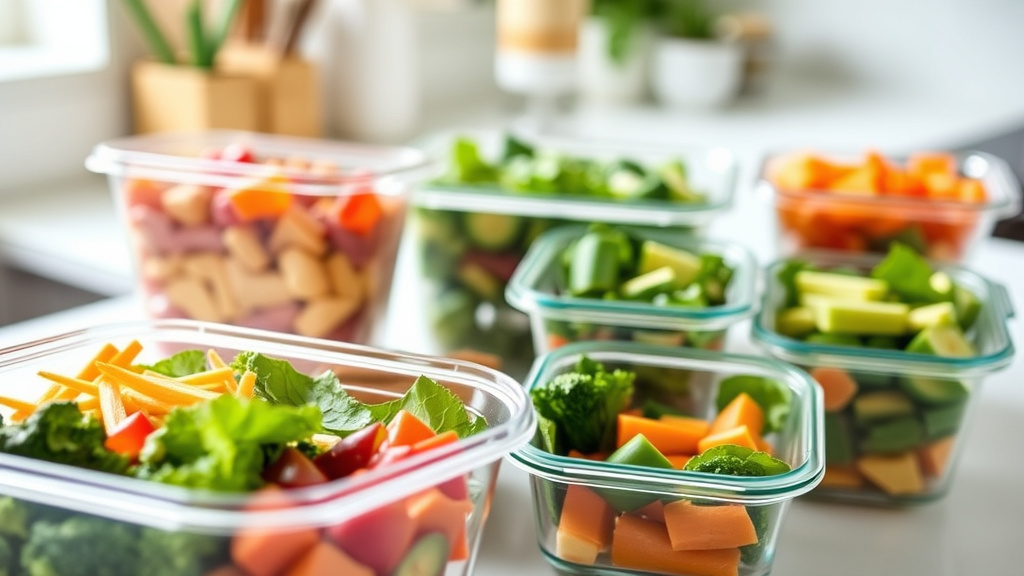
Yes, $50 a Week Is Enough — Here’s the Proof
Meal prep on a budget isn’t about eating sad salads or the same bowl of rice every day. With a $50 weekly grocery budget, a single adult can eat three solid meals a day — roughly 21 meals — for about $2.38 per meal. Compare that to a $12 lunch or a $15 takeout dinner, and the savings compound fast. This guide gives you a complete, repeatable system.
You’ll get a framework for allocating your money, a specific itemized shopping list, a full 7-day meal plan with per-meal cost breakdowns, a timed Sunday prep session, and a clear path for scaling up once you’ve got the basics down. No vague advice like “buy in bulk” without telling you what to actually buy.
Why Most Beginners Blow Their Budget (And How to Avoid It)
Before we get into shopping lists, it’s worth naming the two mistakes that sink most first-timers — because the fix for both is the same.
Mistake 1: Shopping without a plan. You walk into the store, grab things that look good, and end up with ingredients that don’t combine into full meals. You still order pizza on Thursday because there’s nothing coherent in the fridge.
Mistake 2: Overcomplicating the recipes. Beginner meal prep should use 5–8 ingredients per recipe, max. If your prep session runs past 2.5 hours, you’ll quit by week three. Complexity is the enemy of consistency.
The fix for both: build your week backwards. Decide what you’ll eat first, then write the shopping list from that decision — not the other way around. Every item in your cart should have a specific job in a specific meal.
The $50 Budget Framework: How to Allocate Your Money
Think of your weekly grocery budget in four buckets. These percentages are rough targets, not rules carved in stone — adjust based on what’s on sale.
| Budget Bucket | Target Spend | What Goes Here |
|---|---|---|
| Protein | ~$18–20 | Eggs, canned fish, dried legumes, chicken thighs, ground turkey |
| Produce | ~$10–12 | Seasonal vegetables, bananas, apples, frozen veg |
| Grains & Starches | ~$8–10 | Oats, rice, pasta, bread, potatoes |
| Pantry & Flavor | ~$8–10 | Canned tomatoes, olive oil, spices, soy sauce, stock cubes |
A few principles that make this framework work in practice:
- Frozen vegetables are your best friend. A 1 kg (2.2 lb) bag of frozen broccoli, peas, or mixed veg typically costs $2–3 and has essentially the same nutritional profile as fresh. In 2026, frozen produce quality has genuinely improved — the texture is better than it was five years ago, especially for broccoli and peas. Don’t dismiss it.
- Dried legumes beat canned by 60–70% on cost. A 1 lb bag of dried red lentils (~$1.80) yields roughly the same cooked volume as three 15 oz cans at $1.20 each. The trade-off is time, but lentils don’t even need soaking — 25 minutes of simmering and you’re done.
- Chicken thighs over chicken breasts. Bone-in, skin-on thighs are consistently cheaper per pound and significantly harder to overcook — a real advantage when you’re batch-cooking for the week and reheating multiple times. They also have more flavor, which matters when you’re eating the same protein three days running.
- Eggs are the most versatile budget protein. At roughly $3.50–4.00 per dozen in 2026, a single egg costs about $0.30 and delivers 6g of protein. They work at breakfast, lunch, and dinner.
What “Seasonal” Actually Means for Budget Shopping
Seasonal produce isn’t just a chef’s talking point — it’s a real price signal. In winter, root vegetables (carrots, potatoes, parsnips), cabbage, and frozen everything are your cheapest options. In summer, zucchini, tomatoes, and bell peppers drop significantly. Checking what’s marked down in the produce section before you finalize your plan takes two minutes and can save $3–5 per week. Over a month, that’s a free grocery run.
What a Real $50 Shopping List Looks Like
Here’s a specific, itemized list built around the 7-day plan later in this article. Prices are realistic averages for a mid-size U.S. city in 2026 — your store may vary by 10–15%, but the structure holds. Shopping at Aldi, Lidl, or a local ethnic grocery store can push this list closer to $42–45.
Proteins
- 1 dozen eggs — $3.50
- 3 lbs bone-in chicken thighs — $5.50
- 1 lb dried red lentils — $1.80
- 2 cans (15 oz each) chickpeas — $2.00
- 1 lb 93% lean ground turkey — $5.00
Produce
- 1 large bag (2 lb) frozen broccoli — $2.80
- 1 bag (12 oz) frozen peas — $1.50
- 1 lb carrots — $1.20
- 1 head of garlic — $0.80
- 1 large yellow onion — $0.70
- 3 bananas — $0.60
- 1 lb baby spinach — $3.50
Grains & Starches
- 2 lb bag white rice — $2.50
- 1 lb rolled oats — $2.00
- 1 lb pasta (penne or rotini) — $1.50
- 5 lb bag russet potatoes — $4.00
Pantry & Flavor
- 1 can (28 oz) crushed tomatoes — $1.80
- Low-sodium soy sauce (if not already owned) — $2.50
- Olive oil (if not already owned) — $4.00
- 2 vegetable or chicken stock cubes — $0.80
- Cumin, paprika, garlic powder (if not already owned) — $3.00
Running total: ~$50.50
Note that pantry staples like oil and spices are one-time or infrequent purchases. By week 3 or 4, your effective weekly spend often drops to $42–45 because you’re not restocking those. The $50 week is actually your most expensive week.
Where to Shop to Stretch This Further
Store choice matters more than most people realize. Here’s how the same basket typically compares across store types:
| Store Type | Typical Basket Cost | Best For | Trade-Off |
|---|---|---|---|
| Aldi / Lidl | $38–44 | Produce, dairy, eggs, frozen veg | Limited brand selection, no loyalty points |
| Ethnic grocery (Asian, Latin, South Asian) | $40–46 | Legumes, spices, rice, fresh produce | May require a separate trip |
| Standard supermarket (sale items only) | $44–52 | Meat when on markdown, store-brand staples | Requires discipline to avoid off-list buys |
| Whole Foods / specialty | $65–85 | Not recommended for this budget | Significant premium on basics |
| Walmart Grocery | $41–47 | Pantry staples, frozen veg, grains | Produce quality varies by location |
The most effective strategy in 2026: do your main shop at Aldi or a discount grocer, and pick up any specialty items (a specific spice, a particular cut of meat on markdown) at a standard supermarket. Two stops sounds annoying — it saves $8–12 per week, which is $400–600 per year.
The 7-Day Meal Plan: Exactly What You’ll Eat
This plan is designed for one adult eating three meals a day. It’s built for variety without requiring you to cook seven different things. The core strategy is “cook once, eat with variation” — the same base ingredient appears in different forms across the week, so you’re not eating identical bowls every single day.
Breakfasts (Prepped Sunday)
Overnight oats (5 jars): Combine ½ cup rolled oats, ¾ cup water or milk, 1 tbsp peanut butter (optional), and half a banana sliced on top. Prep all five jars in 10 minutes on Sunday. They keep in the fridge for 4–5 days and you grab one each morning without thinking. Cost per jar: ~$0.45.
Egg muffins (7 muffins for the remaining two days): Whisk 6 eggs with a large handful of diced spinach, half a diced onion, salt, and a pinch of paprika. Pour into a greased muffin tin and bake at 375°F for 18–20 minutes. Two muffins equal one breakfast. They reheat in 60 seconds in a microwave. Cost per two-muffin serving: ~$0.70.
Why two breakfast options? Eating overnight oats every single day for seven days is the kind of monotony that makes people abandon meal prep. Two options, both prepped in under 20 minutes total, gives you enough variety to stay on track.
Lunches (Prepped Sunday + Light Wednesday Top-Up)
Lentil soup (4 portions): Sauté one diced onion and 3 garlic cloves in a tablespoon of olive oil over medium heat for 5 minutes. Add 1 cup dried red lentils, 1 can (14 oz) crushed tomatoes, 1 stock cube, 3 cups water, 1 tsp cumin, and 1 tsp paprika. Bring to a boil, then reduce to a simmer for 25 minutes, stirring occasionally. Portion into four 2-cup containers. This freezes beautifully if you want to bank two portions for a future week. Cost per portion: ~$0.90.
Chickpea and spinach stew (3 portions): Sauté 2 garlic cloves and half an onion in olive oil. Add both cans of drained chickpeas, 3–4 large handfuls of spinach, the remaining crushed tomatoes, 1 tsp cumin, and salt to taste. Simmer 15 minutes until the spinach is fully wilted and the sauce has thickened. Serve over ½ cup cooked rice. Cost per portion (including rice): ~$1.20.
Dinners (Prepped Sunday + Wednesday)
Baked chicken thighs with roasted potatoes and broccoli (4 portions): Season 4 bone-in thighs with 1 tsp garlic powder, 1 tsp paprika, salt, and a drizzle of olive oil. Roast at 400°F for 40–45 minutes until skin is golden and internal temperature reads 165°F. Cube 6–8 medium potatoes (roughly 1-inch pieces), toss with olive oil and salt, and roast on a separate baking sheet at the same temperature. Spread 2 cups of frozen broccoli on a third sheet (or roast in batches) for the last 15 minutes. Cost per portion: ~$2.80.
Turkey and pasta bake (3 portions): Brown 1 lb ground turkey in a skillet with 2 minced garlic cloves and half a diced onion. Season with salt, pepper, and 1 tsp Italian seasoning (or a pinch of dried oregano and basil). Add the remaining crushed tomatoes and stir to combine. Cook 10 oz pasta to al dente, drain, and fold into the turkey mixture. Transfer to a baking dish, optionally top with 2 oz of any shredded cheese you have, and bake at 375°F for 20 minutes. Cost per portion: ~$2.10.
The Full 7-Day Schedule
| Day | Breakfast | Lunch | Dinner |
|---|---|---|---|
| Monday | Overnight oats | Lentil soup | Baked chicken + potatoes + broccoli |
| Tuesday | Overnight oats | Lentil soup | Turkey pasta bake |
| Wednesday | Overnight oats | Chickpea stew + rice | Baked chicken + potatoes + broccoli |
| Thursday | Overnight oats | Chickpea stew + rice | Turkey pasta bake |
| Friday | Overnight oats | Lentil soup | Baked chicken + potatoes + broccoli |
| Saturday | Egg muffins | Chickpea stew + rice | Turkey pasta bake |
| Sunday | Egg muffins | Lentil soup | Freestyle (use any leftovers) |
Sunday dinner is intentionally unplanned. Use whatever’s left — a chicken thigh over rice, leftover stew with a fried egg on top, pasta with frozen peas stirred in. This is where you practice improvising with what you have, which is the most useful long-term budget cooking skill.
The Real Cost Breakdown: Meal by Meal
Let’s be specific about what this week of food actually costs per meal.
| Meal | Cost Per Serving | Servings This Week | Total |
|---|---|---|---|
| Overnight oats | $0.45 | 5 | $2.25 |
| Egg muffins (2-muffin serving) | $0.70 | 2 | $1.40 |
| Lentil soup | $0.90 | 4 | $3.60 |
| Chickpea stew + rice | $1.20 | 3 | $3.60 |
| Baked chicken + potatoes + broccoli | $2.80 | 3 | $8.40 |
| Turkey pasta bake | $2.10 | 3 | $6.30 |
| Total | 20 meals | ~$25.55 |
Wait — $25.55 for 20 meals? That’s because the full grocery spend also covers pantry items you’ll use again next week: the oil, the spices, the oats, the rice. The food cost of what you actually eat this week is about $25–27. The remaining $22–25 of your $50 is building your pantry for future weeks.
By week four, once your pantry is stocked and you’re only buying perishables and proteins, your effective cost per meal will be closer to $1.40–1.80.
How This Compares to Eating Out
Let’s run the numbers honestly, using conservative 2026 estimates:
- Average fast-food lunch: $10–13
- Average sit-down dinner: $15–22
- Average coffee-shop breakfast: $6–9
If you’re eating out for all three meals, a conservative estimate is $31–44 per day, or $217–308 per week. Even if you’re only eating out for lunch and dinner on weekdays and cooking loosely on weekends, you’re likely spending $125–175 per week.
Switch to this meal prep system and you’re spending $50 on groceries. That’s a weekly savings of $75–258, or roughly $300–1,000 per month, depending on your current habits. Those numbers aren’t exaggerated — they’re what happens when you replace $12 lunches with $0.90 lentil soup five days a week.
Your Sunday Prep Session: A Step-by-Step Timeline
The biggest barrier for beginners isn’t motivation — it’s not knowing what to do first. Here’s a 2-hour Sunday session that gets everything done without chaos. The key is using your oven and stovetop simultaneously and letting things cook while you prep the next item.
0:00 — Preheat oven to 400°F. Start rice (2 cups dry rice, 4 cups water) on the stovetop or in a rice cooker.
0:05 — Season chicken thighs. Rub all 4 thighs with garlic powder, paprika, salt, and a drizzle of olive oil. Set aside on a baking sheet.
0:10 — Cube potatoes into roughly 1-inch pieces. Toss with olive oil and salt on a second baking sheet. If you only have one sheet, the chicken and potatoes can share — just keep them in separate halves.
0:15 — Chicken and potatoes go into the oven. Set a timer for 40 minutes.
0:20 — Start lentil soup. Dice one onion and 3 garlic cloves. Sauté in a large pot with 1 tbsp olive oil over medium heat for 5 minutes. Add 1 cup dried lentils, 1 can crushed tomatoes, 1 stock cube, 3 cups water, 1 tsp cumin, 1 tsp paprika. Bring to a boil, then reduce to a simmer. Set a 25-minute timer.
0:35 — Brown ground turkey. In a skillet, cook turkey with minced garlic, diced onion, salt, and Italian seasoning over medium-high heat until no pink remains, about 8–10 minutes.
0:45 — Boil pasta. Bring a pot of salted water to a boil, cook 10 oz pasta to al dente (usually 9–11 minutes), drain.
0:55 — Pull chicken and potatoes from oven. Check chicken with a meat thermometer — you want 165°F at the thickest point. Spread 2 cups frozen broccoli on the now-empty baking sheet, drizzle with oil and salt, return to oven for 15 minutes.
1:00 — Assemble turkey pasta bake. Combine cooked turkey, drained pasta, and remaining crushed tomatoes in a baking dish. Stir to combine. Optionally top with shredded cheese. Set aside — it goes into the oven after the broccoli comes out.
1:05 — Portion lentil soup into four 2-cup containers. Let cool slightly with lids off before sealing.
1:10 — Make overnight oats. Line up five jars. Add ½ cup oats and ¾ cup water to each. Stir. Slice half a banana into each. Done in 5 minutes.
1:15 — Broccoli comes out. Turkey bake goes in at 375°F for 20 minutes.
1:20 — Portion chicken, potatoes, and broccoli into three dinner containers. Let cool.
1:30 — Make egg muffins. Whisk 6 eggs with a large handful of diced spinach, half a diced onion, salt, and paprika. Pour into a greased 12-cup muffin tin (fill about ⅔ full — they puff up). Into the oven at 375°F for 18 minutes.
1:35 — Turkey bake comes out. Portion into three containers.
1:50 — Egg muffins done. Cool for 5 minutes in the tin, then transfer to a container.
2:00 — Label everything. Clean up.
Total active cooking time: about 90 minutes. The other 30 minutes is oven-waiting time you can use to clean as you go. If you clean each pan or cutting board right after using it, the final cleanup takes under 10 minutes.
What to Do on Wednesday (The 30-Minute Top-Up)
The Sunday prep gets you through roughly Monday–Wednesday comfortably. On Wednesday evening, spend 30 minutes doing a light refresh:
- Cook a fresh batch of rice if you’ve used yours up (20 minutes, mostly hands-off)
- Assess what’s left in the fridge and decide if you need to pull anything from the freezer
- Hard-boil 4 eggs as a quick snack or backup protein for the rest of the week (~$1.20 worth of eggs, zero effort)
- If you froze any lentil soup or pasta bake portions, move them to the fridge to thaw overnight
This two-session approach — a big Sunday cook and a small Wednesday refresh — is more sustainable than trying to prep everything for seven days in one go. Food stays fresher, and you’re not eating Wednesday’s chicken that’s been in the fridge since Sunday.
Storage, Labeling, and Food Safety Basics
Cheap meal prep only saves money if the food actually gets eaten. Here’s how to make sure nothing goes to waste.
Refrigerator life for these meals:
- Cooked chicken: 3–4 days
- Cooked ground turkey: 3–4 days
- Lentil soup and chickpea stew: 4–5 days
- Cooked rice: 3–4 days (reheat to steaming hot, not just warm)
- Overnight oats: 4–5 days
- Egg muffins: 4–5 days
Containers: You don’t need expensive glass containers to start. Reusable plastic containers with snap lids work fine. Aim for a set of 10–12 containers in 2–3 sizes: 2-cup containers for soups and stews, 4-cup containers for grain bowls and pasta, and a couple of larger ones for batch storage. A basic set costs $15–20 and lasts years. If you want to upgrade to glass later, do it gradually — replace one or two at a time rather than buying a full set upfront.
Labeling: A roll of masking tape and a marker is all you need. Write the meal name and the date prepped. This takes 30 seconds per container and prevents the “what is this and when did I make it?” mystery that leads to food waste. It also makes it easy to grab the right meal without opening every container.
Freezing: The turkey pasta bake and lentil soup both freeze well for up to 3 months. If you’re cooking for one and don’t want to eat the same thing four times in a row, freeze two portions of each on Sunday and rotate them into future weeks. Over a month, you’ll build a small “meal library” in your freezer — a safety net for busy weeks when you don’t have time to prep.
One food safety note: Rice is the one item that needs attention. Cooked rice can harbor Bacillus cereus spores that multiply at room temperature. Cool it quickly (spread it on a baking sheet for 15–20 minutes), refrigerate within 2 hours, and always reheat to steaming hot — not just warm. This isn’t meant to be alarmist; it’s just the one item where the rules matter more than with other foods.
How to Scale This System as You Get Comfortable
After 3–4 weeks of consistent meal prep, you’ll start to feel the rhythm. The shopping list becomes automatic, the prep session gets faster, and you’ll start noticing where you can improve. Here’s how to level up without blowing your budget.
Add One New Recipe Per Week
Don’t overhaul the whole plan at once. Swap one meal each week for something new. This keeps things interesting without overwhelming your prep session. Good beginner additions: black bean tacos (a 15 oz can of black beans costs ~$1.00 and makes 3 servings), vegetable fried rice using leftover rice and frozen peas, sheet-pan salmon when it’s on sale (watch for $6–7/lb deals), or a simple grain bowl with whatever vegetables are marked down that week.
Build a Rotating Pantry
Every week, add one pantry item that expands your flavor options: a jar of tahini (~$4, lasts months), a bottle of hot sauce, a bag of dried chickpeas, a can of coconut milk for a quick curry base. Over two months, you’ll have a pantry that lets you make 20+ different meals from the same core ingredients. This is what separates budget meal prep veterans from beginners — it’s not discipline, it’s infrastructure. The cooking gets easier when you have more tools to work with.
Track Your Actual Spend for the First Month
Keep your receipts for the first four weeks. Most people are surprised to find their effective weekly spend drops to $38–44 by week four as pantry items carry over. Seeing the real number is motivating. It also helps you identify where money is leaking — usually snacks and beverages, not meals. A $3 sparkling water habit adds $21/week. That’s worth knowing.
Adjust Protein to Your Goals
If you’re more active or trying to build muscle, you can increase protein without blowing the budget. Canned tuna or sardines ($1.20–1.80 per can) are among the cheapest complete protein sources available. Adding two cans per week adds roughly 50g of protein for about $2.50 extra. Canned salmon is slightly more expensive ($2.50–3.00 per can) but provides omega-3s that are harder to get from other budget proteins. Cottage cheese, when on sale at $2.50–3.50 per 16 oz tub, is another high-protein, low-cost option that works as a snack or a breakfast base.
When to Increase Your Budget
The $50 framework is a starting point, not a ceiling. Once you’ve proven to yourself that the system works — you’re actually eating the food, nothing’s going to waste, you’re not feeling deprived — it’s reasonable to bump to $60–65 and use the extra $10–15 on higher-quality proteins (wild-caught fish on sale, grass-fed ground beef when marked down) or more produce variety. The skills you build on $50 make the $65 week much more efficient.
Common Questions Beginners Ask (Answered Directly)
What if I don’t like eating the same thing multiple times?
This is the most common concern, and it’s valid. The solution is component prep rather than full-meal prep. Instead of assembling complete meals, prep your proteins, grains, and vegetables separately. Store them in individual containers and mix and match throughout the week. The same roasted chicken thigh becomes a rice bowl on Monday, a wrap on Tuesday, and a soup topping on Wednesday. Same ingredients, genuinely different eating experience. The chickpea stew works over rice, over pasta, or stuffed into a pita with a squeeze of lemon.
Is $50 realistic in high-cost-of-living cities?
In cities like New York, San Francisco, or Boston, $50 is tight but workable if you shop at discount grocers — Aldi, Lidl, Grocery Outlet, or ethnic grocery stores, which often have dramatically lower prices on produce, legumes, and spices. In those markets, budget $60–65 and the same system applies. The proportions don’t change; the absolute numbers shift slightly. A bag of lentils at a South Asian grocery store in Queens will cost you $1.50 for 2 lbs — cheaper than anywhere else in the city.
Do I need any special equipment?
No. A large pot, a baking sheet, a skillet, a cutting board, a sharp knife, and 10–12 storage containers. That’s the full list. A rice cooker is a nice upgrade (~$20–30 for a basic model) because it’s hands-off and frees up a burner, but it’s not required. An Instant Pot can speed up dried bean cooking from 90 minutes to 30 minutes, but again — not necessary to start. Don’t let equipment be the reason you delay starting.
How do I handle meals at work if I don’t have access to a microwave?
Design at least one meal per day that works at room temperature or cold. Overnight oats are already cold. Lentil soup and chickpea stew are both fine at room temperature for a few hours in an insulated container (a basic thermos keeps food warm for 4–6 hours). Pasta salad — made by tossing the turkey pasta bake ingredients cold with a splash of olive oil and vinegar — is another option. This is a real constraint worth planning around rather than ignoring.
What about snacks — does $50 cover those?
The $50 plan above covers three meals a day but doesn’t include dedicated snacks. If you need snacks, the most budget-efficient options are already in the plan: a banana ($0.20), a hard-boiled egg ($0.30), a small portion of overnight oats, or a handful of frozen peas thawed at room temperature (genuinely good, and about $0.20 per serving). If you’re eating satisfying, protein-rich meals, the urge to snack between meals often decreases naturally within the first week or two.
Meal prep on a budget is genuinely learnable in a single weekend. The first session will feel slow and slightly chaotic — you’ll probably forget to start the rice and have to wait an extra 20 minutes. By the third week, you’ll move through the whole thing in 90 minutes without thinking hard. The savings are real — often $200–400 per month for someone who was eating out regularly — and the food is better than most of what you’d order on a Tuesday night when you’re tired and hungry and defaulting to whatever’s fastest. Start with this plan exactly as written. Then, once it feels automatic, make it yours.
Frequently asked questions
Can you really eat well on $50 a week for groceries?
Yes. A single adult can cover roughly 20–21 meals per week on $50, coming out to about $1.40–2.80 per meal depending on what you're eating. The key is building your shopping list around a specific meal plan rather than shopping first and planning later. Pantry staples like oil and spices are one-time costs that bring your effective per-week spend down to $42–45 by week three or four.
How long does meal prep take each week?
Plan for about 2 hours on Sunday for the main prep session, plus a 30-minute Wednesday top-up to refresh rice, assess leftovers, and pull anything from the freezer. The Sunday session gets faster with practice — most people are down to 90 minutes by week three. The Wednesday session stays short because it's just maintenance, not full cooking.
What's the cheapest protein source for meal prep on a budget?
Dried lentils are the cheapest per gram of protein — a 1 lb bag at ~$1.80 yields roughly 9 servings. Eggs come in second at about $0.30 per egg and 6g of protein each. Canned tuna and sardines run $1.20–1.80 per can and deliver 25–30g of protein. Bone-in chicken thighs (~$1.80–2.00 per lb) are the cheapest whole-muscle meat option and are harder to overcook than chicken breasts.
How do you keep meal prep food from going bad before the end of the week?
Use the two-session approach: prep enough on Sunday to last through Wednesday, then do a quick 30-minute refresh mid-week. Cool food quickly before refrigerating (within 2 hours of cooking), store in airtight containers, and label everything with the prep date. Lentil soup, chickpea stew, and pasta bake all freeze well — portion two servings of each into the freezer on Sunday if you're worried about freshness or variety fatigue.
Is meal prep on a budget worth it financially?
The math is straightforward. If you're currently spending $10–13 on lunch and $15–22 on dinner on weekdays, you're spending at least $125–175 per week on food. Switching to a $50 grocery budget saves $75–125 per week minimum — that's $300–500 per month, or $3,600–6,000 per year. Even a partial shift (prepping lunches only, for example) saves $50–65 per month.
Do I need to count calories or macros for this plan to work?
Not necessarily. The plan as written is nutritionally balanced — it includes complete proteins, complex carbohydrates, fiber from legumes and vegetables, and healthy fats from olive oil and eggs. If you have specific fitness goals (building muscle, losing weight), you can adjust portion sizes or add more protein (an extra egg, a can of tuna) without changing the structure. For most people starting out, just following the plan consistently matters more than precise macro tracking.