 PrepThrifty
 How to Meal Prep Without Getting Bored: 7 Strategies
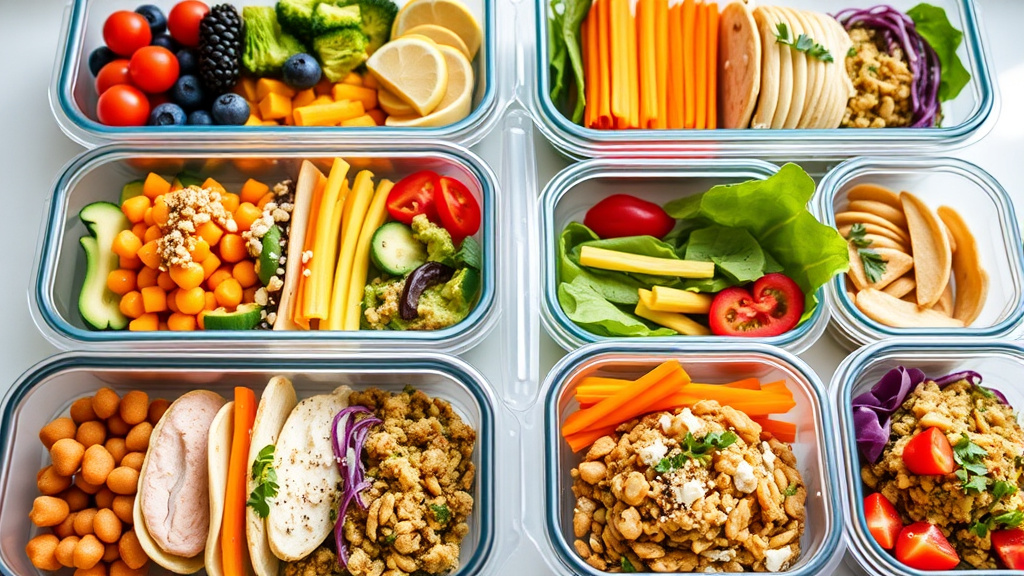
The Real Problem With Meal Prep Boredom
Meal prep fails not because the food is unhealthy, but because eating the same chicken-and-rice box five days straight kills your motivation. You prep Sunday, feel virtuous Monday, and by Wednesday you’re ordering takeout because your containers look like punishment. The solution isn’t to abandon meal prep—it’s to build variety into your system from the start. This article walks you through seven concrete strategies that let you prep efficiently while keeping your palate engaged and your budget intact.
1. Master the Three-Component Rotation System
The most sustainable approach to meal prep variety is rotating three distinct components in each category: protein, grain, and vegetable. This doesn’t mean prepping three separate meals; it means choosing your components strategically so they feel different when mixed.
Pick three proteins for the week:
- Chicken thighs (about $1.50–$2.00 per pound, more forgiving than breast meat)
- Ground turkey or beef (roughly $3.50–$5.00 per pound depending on fat ratio)
- Canned or dried beans (chickpeas, black beans, lentils at $0.50–$1.00 per can or dried)
Choose three grains or starches:
- White or brown rice (around $0.15–$0.30 per cooked cup)
- Quinoa ($0.40–$0.60 per cooked cup)
- Sweet potato or regular potato ($0.30–$0.50 per medium potato)
Select three vegetables or vegetable combinations:
- Roasted broccoli and cauliflower
- Sautéed spinach with garlic
- Roasted Brussels sprouts with onion
The math is simple: three proteins × three grains × three vegetables = 27 possible combinations. You only prep once, but you get nine distinct meals across the week by pairing them differently. Monday might be chicken + rice + broccoli; Tuesday becomes turkey + quinoa + spinach; Wednesday shifts to beans + sweet potato + Brussels sprouts. Same prep day, completely different eating experience.
2. Build a Sauce and Dressing Arsenal
This is where meal prep transforms from monotonous to genuinely craveable. The same chicken-and-rice base tastes entirely different under a ginger-soy glaze versus a cilantro-lime dressing versus a roasted red pepper sauce. You’re not changing the protein; you’re changing the experience.
Make four sauces on prep day (each keeps 5–7 days refrigerated):
Ginger-Soy Glaze: Whisk together 3 tablespoons soy sauce, 1 tablespoon rice vinegar, 1 tablespoon honey, 1 teaspoon grated ginger, and 1 minced garlic clove. Cost per batch: under $0.50. This pairs brilliantly with chicken, ground turkey, or tofu.
Cilantro-Lime Crema: Blend 1/2 cup Greek yogurt, juice of 1 lime, 1/2 cup fresh cilantro, 1 minced garlic clove, and a pinch of salt. Cost: roughly $1.00. Use it on beans, rice bowls, or roasted vegetables.
Roasted Red Pepper Sauce: Blend one 12-ounce jar of roasted red peppers (drained), 1/4 cup olive oil, 2 tablespoons balsamic vinegar, 1 minced garlic clove, and salt to taste. Cost: around $1.50. Excellent with white beans, lentils, or ground beef.
Tahini-Lemon Dressing: Whisk 1/4 cup tahini, juice of 1 lemon, 2 tablespoons water (add more for desired consistency), 1 minced garlic clove, and salt. Cost: $0.75. Works with almost any protein-grain-vegetable combination.
Store each sauce in a separate 16-ounce container. When you assemble your bowl or container, add sauce just before eating (or keep it separate if you’re meal prepping for several days). This single step—having four different flavor profiles ready—is the difference between eating the same meal and eating four different meals.
3. Use Spice Blends and Seasoning Mixes
Beyond sauces, dry seasoning transforms your base ingredients without adding prep time. Make or buy three distinct spice blends and apply them during cooking.
Cumin-Chili Blend: Mix 2 tablespoons ground cumin, 1 tablespoon chili powder, 1 teaspoon smoked paprika, 1 teaspoon garlic powder, and 1/2 teaspoon cayenne. Toss with ground beef or turkey before cooking, or sprinkle on roasted chickpeas. Cost: $0.30–$0.50 for the batch.
Italian Herb Mix: Combine 1 tablespoon dried oregano, 1 tablespoon dried basil, 1 teaspoon garlic powder, 1 teaspoon onion powder, and 1/2 teaspoon black pepper. Use this on chicken breasts, white beans, or roasted zucchini. Cost: $0.25.
Asian-Inspired Seasoning: Blend 1 tablespoon sesame seeds (toasted if possible), 1 teaspoon garlic powder, 1 teaspoon ginger powder, 1 teaspoon onion powder, and 1/2 teaspoon white pepper. Sprinkle on rice, chicken, or roasted broccoli. Cost: $0.40.
Store these in small glass jars or containers. Label them clearly. During the week, you can apply different blends to the same base protein depending on what you’re craving. Thursday’s chicken thigh might be Italian-herb seasoned; Friday’s becomes cumin-chili.
4. Prep Vegetables Multiple Ways
Eating the same roasted broccoli five times is where meal prep boredom starts. Instead, prepare the same vegetable in three different ways within a single prep session.
Using 2 pounds of broccoli florets:
Batch 1 (Raw, ~10 oz): Chop and store in a container with a damp paper towel. Use raw in salads or with hummus as a snack. Keeps 4–5 days.
Batch 2 (Roasted, ~10 oz): Toss with 1 tablespoon olive oil, salt, and pepper. Roast at 425°F for 15 minutes until edges char. Store in a container; reheats well. Keeps 5 days.
Batch 3 (Sautéed with garlic, ~10 oz): Heat 1 tablespoon olive oil in a skillet, add 2 minced garlic cloves, then broccoli. Cook 5–7 minutes until tender-crisp. Season with salt and lemon juice. Keeps 4 days.
Same vegetable, three textures, three flavor profiles. You’re not eating “broccoli” five times; you’re eating crisp raw broccoli, charred roasted broccoli, and garlicky sautéed broccoli across the week.
Apply this principle to any vegetable. Sweet potatoes can be roasted cubes, mashed, or thinly sliced and pan-fried. Spinach can be raw in containers, wilted with garlic, or blended into a sauce. Carrots can be raw sticks, roasted rounds, or cooked into a slaw.
5. Create a Weekly Flavor Theme and Rotation Schedule
Structuring your week around flavor themes—rather than random combinations—makes meal prep feel intentional and prevents decision fatigue.
Sample 4-Week Rotation:
Week 1: Mediterranean
- Proteins: Chicken thighs, white beans, canned tuna
- Grains: Brown rice, farro, couscous
- Vegetables: Spinach, tomatoes, zucchini
- Sauces: Tahini-lemon, olive oil + herbs, balsamic vinegar
- Spices: Oregano, basil, garlic
Week 2: Asian-Inspired
- Proteins: Ground turkey, edamame, tofu
- Grains: White rice, quinoa, soba noodles
- Vegetables: Broccoli, snap peas, carrots
- Sauces: Ginger-soy glaze, sesame dressing, peanut sauce
- Spices: Ginger, garlic, white pepper
Week 3: Tex-Mex
- Proteins: Ground beef, black beans, chicken breast
- Grains: Brown rice, corn tortillas, sweet potato
- Vegetables: Bell peppers, onions, cilantro
- Sauces: Cilantro-lime crema, salsa, avocado lime dressing
- Spices: Cumin, chili powder, smoked paprika
Week 4: Comfort/Hearty
- Proteins: Ground beef, lentils, pork
- Grains: White rice, egg noodles, regular potato
- Vegetables: Carrots, celery, mushrooms
- Sauces: Mushroom gravy, tomato-based, sour cream dill
- Spices: Thyme, bay leaf, black pepper
Rotate through these monthly. The structure removes decision paralysis (“What should I cook this week?”) while ensuring you never eat the same combination twice in a month. Grocery shopping becomes predictable, too—you know exactly which proteins, grains, and vegetables you’ll need.
6. Batch-Cook Flavor Bases and Build From There
Instead of prepping complete meals, prep flavor bases—seasoned, cooked components that become the foundation for different meals depending on what you add.
Caramelized Onion Base: Slice 3 large onions and cook in 2 tablespoons olive oil over medium heat for 25–30 minutes, stirring occasionally, until deep golden brown. Cost: $0.75. Store in a container. Use this as:
- A topping for ground beef and rice (becomes a French onion-inspired bowl)
- Mixed into white beans with thyme (becomes a hearty side)
- Stirred into Greek yogurt as a dip or sauce
- Layered into a grain bowl with roasted vegetables
Garlic-Oil Base: Mince 8 garlic cloves and warm in 1/4 cup olive oil over low heat for 3–5 minutes (don’t brown). Cost: $0.40. This becomes:
- A dressing for any grain and vegetable
- A cooking medium for sautéed vegetables
- A flavor boost stirred into beans
- A bread dip (if you’re not strictly meal prepping)
Tomato-Herb Base: Sauté 1 diced onion in 1 tablespoon olive oil, add 2 minced garlic cloves, then one 28-ounce can crushed tomatoes, 1 teaspoon dried oregano, 1 teaspoon dried basil, salt, and pepper. Simmer 15 minutes. Cost: $1.50. Use for:
- Layering with white beans and spinach
- Mixing with ground beef for a Bolognese-style bowl
- Serving over roasted vegetables
- Combining with lentils for a hearty soup-like meal
These bases keep 5–7 days and become the flavor backbone for multiple different meals. You’re not eating “tomato sauce” five times; you’re eating tomato sauce with beans Monday, tomato sauce with beef Tuesday, tomato sauce with lentils Wednesday.
7. Incorporate Texture Contrast and Fresh Elements
Meal prep fatigue often stems from monotonous texture—soft rice, soft protein, soft vegetables. Adding crispy, crunchy, or fresh elements throughout the week transforms the eating experience.
Prep crispy elements on Sunday:
- Crispy chickpeas: Drain and dry one 15-ounce can chickpeas, toss with 1 tablespoon olive oil and spices (paprika, garlic powder, salt), roast at 400°F for 25 minutes until crispy. Cost: $0.50. Keeps 3–4 days in an airtight container. Sprinkle on any bowl.
- Toasted nuts or seeds: Toast 1 cup raw almonds, walnuts, or sunflower seeds in a dry skillet over medium heat for 5–7 minutes. Cost: $1.50–$2.00. Keeps 2 weeks. Add a handful to any meal.
- Crispy onion strings: Thinly slice 1 onion, toss with a light coating of cornstarch and salt, bake at 375°F for 20 minutes until golden. Cost: $0.20. Keeps 4 days. Top any bowl.
Keep fresh elements separate and add during the week:
- Fresh cilantro, parsley, or basil (roughly $0.50–$1.00 per bunch, lasts 5–7 days)
- Lime or lemon wedges (squeeze fresh juice over meals)
- Sliced avocado (add the morning you eat, or store in lemon juice to prevent browning)
- Fresh diced tomato or cucumber
- Microgreens or sprouts (add crunch and nutrition)
The contrast between soft cooked components and crispy, fresh elements makes the same base feel completely different. Monday’s bowl might have crispy chickpeas on top; Wednesday’s gets a handful of toasted almonds; Friday’s gets fresh cilantro and lime.
Putting It Together: A Real Prep-Day Example
Let’s walk through an actual meal prep session using these strategies. Budget: $35–$40 for five days of lunches (roughly $7–$8 per day).
Shopping list:
- 2 lbs chicken thighs: $4.00
- 1 lb ground turkey: $4.50
- 1 can chickpeas: $0.60
- 2 lbs brown rice (dry): $2.00
- 2 lbs sweet potato: $1.50
- 2 lbs broccoli: $3.00
- 1 lb carrots: $0.80
- 1 bunch spinach: $2.00
- Soy sauce, ginger, garlic, lime, cilantro, olive oil, spices: $6.00 (assuming you have basics)
- Greek yogurt (for sauce): $2.50
- Tahini: $1.50 (if buying new)
- Roasted red peppers (jar): $1.50
Total: $35.90
Prep timeline (2.5 hours):
-
Start rice and sweet potatoes (5 min active): Put 2 cups brown rice and 1.5 cups water in a rice cooker or pot. Cut 4 medium sweet potatoes into 1-inch cubes, toss with 1 tablespoon olive oil, salt, and pepper, spread on a baking sheet. Both go in the oven/cooker now.
-
Prep proteins (15 min): While rice cooks, season 2 lbs chicken thighs with salt, pepper, and 1 tablespoon garlic powder. Sear in a skillet over medium-high heat for 5 minutes per side, then transfer to oven at 400°F for 12–15 minutes until internal temp reaches 165°F. In another skillet, brown 1 lb ground turkey with 1 diced onion, 2 minced garlic cloves, and cumin-chili seasoning. Drain any excess fat. Let both cool slightly.
-
Prep vegetables (20 min): While proteins cook, chop 2 lbs broccoli into florets. Divide into three batches: 10 oz raw (store with damp paper towel), 10 oz tossed with oil and roasted at 425°F for 15 minutes, 10 oz sautéed in 1 tablespoon oil with 3 minced garlic cloves for 6 minutes. Slice 1 lb carrots into rounds, toss with oil, roast at 400°F for 20 minutes. Roughly chop spinach and store in a container.
-
Make sauces (10 min): While everything cooks, prepare ginger-soy glaze, cilantro-lime crema, and tahini-lemon dressing (see Section 2 for recipes). Store each in a separate container.
-
Assemble containers (15 min): Use five 32-ounce meal prep containers. Divide rice, sweet potato, and proteins evenly. Don’t add vegetables yet—store them separately so they don’t get soggy. Label each container with the date and contents.
Your five meals:
- Monday: Chicken + rice + roasted broccoli + ginger-soy glaze
- Tuesday: Turkey + sweet potato + raw broccoli + cilantro-lime crema
- Wednesday: Chicken + rice + sautéed broccoli + roasted red pepper sauce
- Thursday: Turkey + sweet potato + roasted carrots + tahini-lemon dressing
- Friday: Chickpeas + rice + spinach (sautéed with garlic) + cilantro-lime crema
Each meal has a different protein-grain-vegetable-sauce combination. Same prep day, five completely different eating experiences.
Avoiding Common Pitfalls
Don’t prep everything in containers. Store vegetables, sauces, and fresh elements separately. Assemble the night before or morning of eating. This prevents sogginess and keeps meals tasting fresh.
Don’t skip seasoning during cooking. Season proteins and vegetables as you cook them, not just at the end. This builds flavor depth that sauces alone can’t achieve.
Don’t forget about snacks and sides. Meal prep isn’t just lunch containers. Prep crispy chickpeas, roasted nuts, and fresh vegetable sticks to snack on. These break up monotony and keep you satisfied.
Don’t be rigid about the schedule. If you’re craving something different mid-week, swap components. Ate your Thursday meal Tuesday? Shift everything. The system is flexible—it’s a framework, not a prison.
Don’t underestimate batch-cooking time. Your first prep session might take 3 hours. By your third or fourth rotation, you’ll cut that to 90 minutes because you know the rhythm.
Scaling Up (or Down)
If you’re prepping for two people, double the recipes and use the same rotation system. If you’re prepping for the whole week (seven days instead of five), add one more protein, grain, and vegetable to your rotation, and consider prepping twice—Sunday for Monday–Wednesday, Wednesday for Thursday–Sunday. This keeps everything fresher and gives you a natural midweek reset point.
For a smaller household prepping just three days, use two proteins, two grains, and two vegetables. You’ll get four distinct combinations, which is enough variety to stay engaged without overcomplicating prep.
The Long Game
Meal prep without getting bored isn’t about exotic ingredients or complicated recipes. It’s about understanding that variety comes from combinations, not from cooking five different dishes. By rotating proteins, grains, vegetables, and sauces systematically, you create dozens of different meals from a single prep session. Add texture contrast, keep fresh elements separate, and use seasoning strategically, and you’ve built a system that’s both efficient and genuinely enjoyable to eat.
The first month requires intentionality. By month two, you’re running on autopilot—the same prep day produces meals that feel different every single day. That’s when meal prep stops feeling like a chore and becomes the easiest way to eat well on a budget.
Frequently asked questions
How do I prevent meal prep containers from getting soggy?
Store vegetables, sauces, and fresh elements separately from grains and proteins. Assemble your meal the night before eating or the morning of, rather than prepping everything together on Sunday. If you must prep fully assembled containers, keep sauces in a separate small container and add them just before eating. Raw vegetables can be stored with a damp paper towel to maintain crispness; roasted vegetables keep better than raw in containers.
Can I meal prep if I don't like the same food twice in one week?
Absolutely. Use the three-component rotation system (three proteins, three grains, three vegetables) to create nine different combinations from a single prep session. You could also prep two completely different meals—say, Mediterranean and Asian-inspired—and alternate between them throughout the week. Another option is prepping only three days at a time, so you're eating fresher food and have more variety across the full week.
What's the best way to store sauces and dressings?
Store each sauce in a separate 16-ounce glass or plastic container with a tight-fitting lid. Most sauces keep 5–7 days refrigerated. Keep them separate from your meal containers and add them just before eating to prevent sogginess. If you're meal prepping for longer than five days, freeze sauces in ice cube trays (about 2 tablespoons per cube) and thaw as needed.
How do I know if my meal prep is getting boring?
If you're ordering takeout mid-week or dreading opening your containers, it's time to add variety. Start by introducing sauces and seasoning blends—these are the fastest way to change how food tastes without adding prep time. Add texture contrast with crispy elements like toasted nuts or roasted chickpeas. Finally, try the three-component rotation system to create more distinct combinations from your base ingredients.
Can I meal prep if I have dietary restrictions or preferences?
Yes. The rotation system works with any proteins, grains, and vegetables. If you're vegetarian, use beans, lentils, tofu, and eggs as proteins. If you're gluten-free, swap grains for rice, quinoa, and potatoes. If you avoid certain vegetables, substitute with ones you enjoy. The principle remains the same: rotate three options in each category to create variety without multiplying prep work.
How long does a typical meal prep session take?
Your first session might take 2.5–3 hours as you get the rhythm down. By your third or fourth rotation, most people complete prep in 90 minutes to 2 hours. The timeline depends on how many people you're prepping for and how many components you're making. Investing in a rice cooker and using your oven for multiple dishes simultaneously (proteins, vegetables, sweet potatoes) cuts time significantly.